Signs You Need Septic Tank Pumping and When to Call a Pro
Slow drains in several fixtures, gurgling pipes, sewage odors, and damp spots near the drain field usually mean the septic tank is full and needs pumping.
Published
Part of our Septic Tank Pumping service.
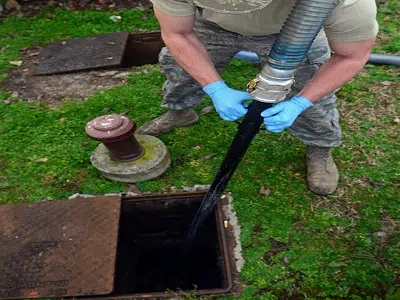
What a Full Septic Tank Looks Like in a Valley Home
Most septic trouble around North Bend follows the same path: solids build up in the tank until the liquid part has nowhere clean to go. Si View Septic Pumping in North Bend wrote this guide on signs you need septic tank pumping and when to call a pro.
A septic system is simple to picture. Wastewater from the house flows into an underground tank. Heavy solids sink to the bottom and break down slowly. The clearer liquid in the middle flows out to the drain field, where soil finishes the job. When solids pile up, that clear layer shrinks and bits of waste start drifting toward the outlet.
From inside the house, that shows up as drains running slower than they used to. From the yard, it shows up as smells or soft ground near the tank or field. Nothing dramatic at first, which is why homeowners often wait longer than they should.
The signs are visible once you know where to look. The rest of this article walks through each one, starting with the one homeowners notice first.
Slow Drains in More Than One Fixture
When only the kitchen sink runs slow, the fix is usually a plunger or a drain snake, and the septic system has nothing to do with it. A tub, a second sink, and a toilet slowing down together point at something they all share, like a full tank.
Here is the distinction Bob draws for first-time homeowners. One fixture means one pipe. Every fixture at once, especially low ones like a basement shower or a downstairs bathroom, means the wastewater leaving the house has nowhere to go.
Watch how it develops over a day or two. Gradual slowing across the whole house fits a tank that has been filling for months. Sudden slowing everywhere can mean the outlet baffle has failed or the line to the drain field is blocked.
Either way, several slow fixtures at once is worth acting on before odors or backups arrive.
Gurgling Sounds From Drains or the Toilet
A toilet that gurgles after every flush, or a tub that burps when the washing machine drains, is air moving where water should be. In a septic home, that trapped air usually means the tank or the line leaving it is struggling.
The sound happens because wastewater is not leaving the house smoothly. Air pockets form behind a blockage or a tank at capacity, and you hear them as gurgles through the nearest vent or drain. The lowest fixture often speaks first, because that is the easiest path for the air.
An occasional gurgle on a heavy laundry day is not much on its own. A pattern that repeats matters, especially alongside slower drains elsewhere in the house.
Rule out the simple stuff before blaming the tank. A poorly vented fixture or a partial pipe clog can gurgle too. If plunging does not change the sound, and drains around the house are slowing as well, the tank is the next thing to check.
Sewage Odors Near Drains, the Tank, or the Yard
A septic system should never smell like sewage inside the house or out in the yard. A faint earthy smell near a drain is normal. A rotten smell that lingers is not.
Odors show up in a few predictable places. Indoors, they rise from floor drains and low fixtures when a full tank pushes gases back toward the house. Outdoors, they gather near the tank lid when the tank is overfull, or over the drain field when liquid pools instead of soaking in. Around Snoqualmie and Fall City, where many tank lids sit a short walk out in the lawn, homeowners often smell the yard before they notice anything inside.
Odors matter more than most other signs because they mean the system is past the mild stage. Solids have built up enough to disturb the normal flow, or liquid is surfacing somewhere it should not be.
If the smell comes and goes with the weather, note the pattern. If it is steady, or strongest after a long stretch of rain, mention that when the tank is opened.
Puddles Over the Drain Field and Grass That Grows Too Green
The drain field is the patch of ground where liquid from the tank soaks into the soil. Healthy, the grass over it looks like the rest of the yard and the ground stays firm.
Two changes mean trouble. The first is water pooling over the field, or ground that feels spongy underfoot when it has not rained. Liquid is surfacing instead of soaking down, which points to a full tank sending solids toward the field or a field that is overloaded.
The second is grass growing noticeably taller and greener over the field than anywhere else. Extra nutrients rising to the surface feed that growth, and it is a quiet early warning many homeowners miss.
Walk the area each season so you know what normal looks like for your yard. In winter around the valley, everything stays damp, so judge against your own ground rather than a dry-summer memory.
A soggy drain field is not a do-it-yourself project. Pumping the tank is often only the first step in protecting the field itself.
Six Checks You Can Make Before Calling Anyone
Before you pick up the phone, a few observations will tell you how urgent this is. These take minutes and none of them requires opening the tank.
- Run water in two or three fixtures and note which ones drain slowly. One slow drain is a pipe problem. Several at once points at the tank.
- Flush the toilet and listen. A gurgle that repeats on every flush matters more than a one-time sound.
- Walk the ground over the tank and the drain field. Look for pooled water, spongy spots, or grass greener than the rest of the lawn.
- Sniff near the tank lid and the field on a still day. A lasting sewage smell is a real finding, not the normal earthy smell of healthy soil.
- Check your records for the last pumping date. No records? A record lookup can recover them from the county.
- Notice whether anything got worse after a busy weekend of laundry, showers, and guests. Heavy use pushing a borderline system over the edge is a common pattern.
Write down what you find. It makes any later conversation faster.
When to call a pro
Some findings end the do-it-yourself conversation immediately. Call a septic professional when any of these is true.
Water or sewage on the ground over the tank or drain field means the system is surfacing waste. That is not something a homeowner should walk through, dig near, or wait out.
Several fixtures backing up at once, especially with a gurgling toilet and a smell indoors, means the house may be close to a backup. That is an urgent call, and it is the situation our septic backup response exists for.
A steady sewage odor indoors or over the field is a finding on its own, even if nothing else has failed yet.
And if you have never located your tank, do not dig for it. Locating equipment and riser work make the tank accessible without guesswork or a ruined lawn.
At Si View Septic Pumping, we serve North Bend, Snoqualmie, Fall City, and the surrounding valley, and we would rather explain the system than sell you a fix. If your checks point at a full tank, septic tank pumping is usually the straightforward answer.
Call (425) 200-4994 and describe what you found. Bob or one of our crew will tell you plainly what it likely means and what happens next.
Ready to move forward? See our Septic Tank Pumping service
Related guides
Written by the Si View Septic Pumping team.
Signs You Need Septic Tank Pumping and When to Call a Pro FAQs
How can I tell the difference between a clog and a full septic tank?
A clog affects one fixture or one branch of the house, and a plunger or drain snake usually clears it. A full tank slows every drain at once, often with gurgling and odors near the tank or field. When several fixtures slow down together and plunging does not help, the septic system is the likely cause.
How often does a septic tank need pumping?
It depends on the tank size, the household size, and how much water the home uses. A typical family in the Snoqualmie Valley goes a few years between pumpings, while a larger household or a smaller tank shortens that interval. Your last pumping date and an inspection tell you far more than any general schedule.
Why is it risky to put off pumping the tank?
Solids keep building until they reach the outlet and wash toward the drain field, where they can clog the soil for good. That turns routine pumping into drain field repair or replacement. You may also face sewage backing up into the house. Acting on the early signs avoids both outcomes.
Can I check the septic tank level myself?
Not safely without training and equipment. Opening a tank means exposure to gases and the risk of falling in, so leave that to a professional. You can still gather useful clues from outside: slow drains, gurgles, odors, and the condition of the ground over the tank and field all tell a clear story.
Still unsure about something? Ask us directly