Septic Tank Locating in North Bend, WA
Septic tank locating uses county records and on-site probing to find your buried tank and mark the lids, so future service never requires guesswork.
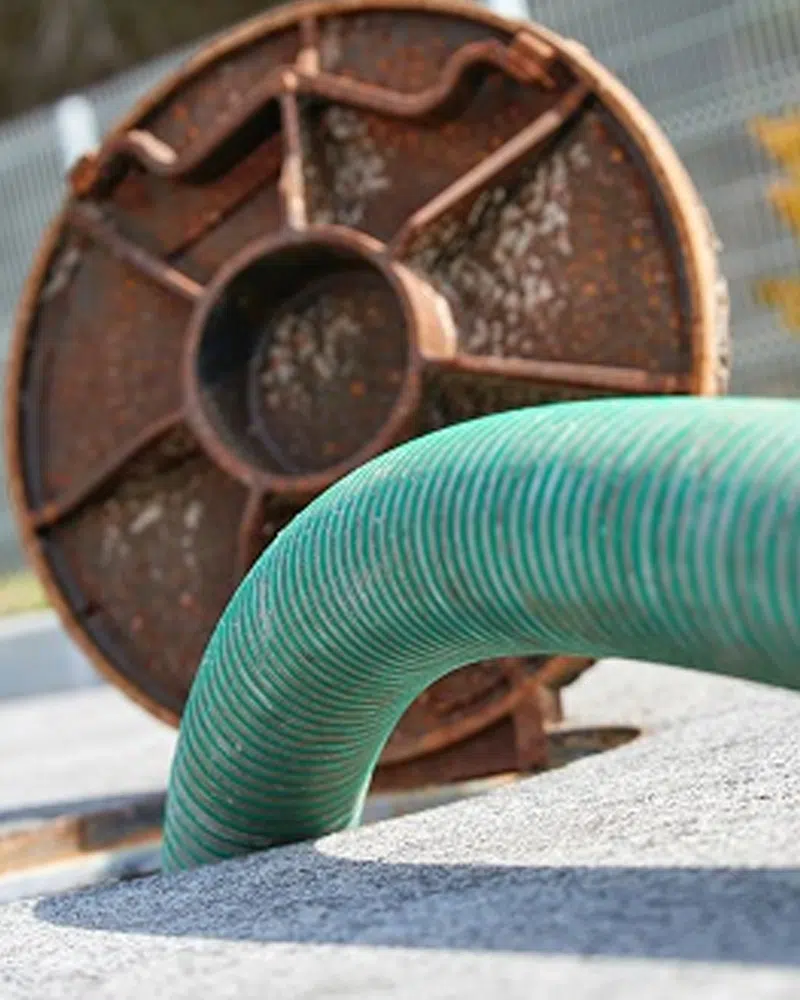
Si View Septic Pumping locates buried septic tanks across North Bend, WA by starting with county records, then confirming on site. You get a marked, documented tank location before any digging, pumping, or repair work begins. No guesswork, no unnecessary excavation.
Get a quote
Key Facts
Price range
Request an estimate
Turnaround
Most visits: about 1 hour
Areas served
North Bend, Snoqualmie, Fall City, Issaquah and nearby
What's Included
- Pull available county health-district records for your parcel
- Review any existing septic as-built drawings on file
- Probe and locate the tank lids on site without unnecessary digging
- Mark lid locations with flags for future access
- Measure and document distances from the house and property lines
- Photograph the site so the layout is easy to reference later
A simple, unhurried process
Call and describe it
Tell us what your system is doing or when it was last pumped. We ask a few plain questions and tell you what we think it needs, and what it does not.
Locate and assess
We find the tank, check access, and look at the baffles, filter, and liquid levels before any pumping starts so you know exactly what we are seeing.
Pump and clean
We pump the tank fully, clean the effluent filter, and rinse down the work area. If we spot a problem worth fixing, we show you before we touch it.
Walk you through it
You get a plain explanation of what your system looked like, what we did, and what to watch for next. Written scope, no jargon.
Set your next visit
We tell you a realistic pumping interval for your household and leave it at that. No reminders you did not ask for, no upsells between visits.
What local homeowners say
5.0 out of 5 from 17 reviews on Google.
Excellent experience with Bob and Si View Septic! We use Bob for our regular septic pump service and will go to him with any septic needs or issues if and when they arise. (But we follow his instructions and timeline for pumping, so hopefully there will be no issues). Bob is courteous, kind, prompt, and extremely knowledgeable. He is very communicative and provided fair pricing. Extra points for keeping meticulous paperwork and having a great memory... We purchased our home 3 years ago and there are no records on file with the county as to where the septic tank is located or how big it is. Bob serviced our address for the previous homeowners, and was able to find a drawing in his paperwork that was submitted to the county showing exactly where the tank was. Saved us countless dollars and hours trying to locate the tank.
Had a plumbing problem and the plumber said I had a septic problem. The plumber recommended Si View Septic. Can't say enough good things about them. When he was done I got a full explanation of the problem, what he did to fix it, and a couple 5 minute maintenance things to do once or twice a year to reduce the chance of another clog. This is my first septic system and the first two guys who pumped it, pumped it and left. This guy is great.
Bob was very nice, knowledgeable, and took the time to explain how a septic tank works/ when you need to pump it. Super helpful for a first time homeowner. Thank you Bob!!
Google reviews
Septic Tank Locating Available In
We offer septic tank locating to customers across the region. Tap any area for full local details.
Guides
Related Services
About Septic Tank Locating
Common questions and tips from our work with North Bend customers.
What should I do before the tank locating visit?
Clear leaves, tools, or parked vehicles off the yard area where the tank is likely buried, usually 10 to 20 feet from the house. If you have any old paperwork, a home inspection report, or photos of past service, have it handy. Every detail helps narrow the search before we probe the ground.
Can you find my tank if I have no records at all?
Usually, yes. Many North Bend and Snoqualmie Valley homes have septic as-builts on file with the county health district, and we start there. If records are missing, we probe along common layout lines, typically straight out from the sewer pipe exit or the laundry side of the house, and mark the lids once we find them.
Why do I need to know where my tank is?
You cannot pump, inspect, or repair a tank you cannot find. Marked lids also protect the tank from vehicles parking on top and make every future service faster, which keeps costs down. Winter here makes frozen or snow-covered lids harder to find, so a marked location pays off.
Will locating involve digging up my yard?
Not much, if any. A narrow probe rod goes into the soil every few feet until it contacts the lid. Most tanks are found this way without excavation. Once located, we flag the lids, and you can decide later whether shallow risers would make access easier.
Find the sewer line exit for a head start
Your septic tank almost always sits somewhere along the line leaving the house. In North Bend homes, look at the basement or crawl space side where the main plumbing exits. The tank is typically 5 to 15 feet beyond that point, though depth and distance vary by property. Knowing this helps you mow and landscape carefully until the lids are marked.
Straight answers about your septic system
How often should my septic tank be pumped?
Most households in North Bend and the Snoqualmie Valley do well with pumping every three to five years. Larger households, heavy water use, or a smaller tank can shorten that interval. During a visit we measure the actual tank level, so you get a recommendation based on your system, not a generic rule.
How much does septic pumping cost?
Price depends on tank size, how deep the lids are buried, whether access requires digging, and how full the tank is when we arrive. Before any work starts, we explain what drives the estimate for your specific setup so you know exactly what you are paying for. There are no surprise charges added at the end of the job.
What areas do you serve?
We work throughout the Snoqualmie Valley and nearby Eastside communities: North Bend, Snoqualmie, Fall City, Issaquah, Sammamish, Preston, Carnation, Duvall, Maple Valley, Enumclaw, Bellevue, and Snoqualmie Pass. If you are close to one of those towns, call (425) 200-4994 and we will confirm whether we can get to you.
How soon can I get an appointment?
We schedule visits Monday through Friday, 8:00 AM to 5:00 PM. Routine pumping is usually booked within a few days. If you are dealing with a backup or a slow-draining system, mention it when you call and we will do our best to get someone out quickly.
How do I prepare for a septic pumping visit?
On the day of service, keep water use light before we arrive, clear vehicles or stored items away from the tank area, and make sure a truck can reach it. If you know where the lids are, uncovering them ahead of time helps. If you do not know the location, we can find the tank for you.
What happens on the day of a pumping?
We locate and open the tank, check the liquid level, and note anything unusual about the baffles or condition of the tank. Then we pump out the solids and liquids, rinse the tank, clean the effluent filter if your system has one, and close everything up. Before leaving, we explain what we saw and what to watch for.
How do I know when my septic tank needs attention?
Slow drains, gurgling pipes, soggy or unusually green patches over the drain field, or sewage odors near the tank are the usual signs. Any one of them means the tank should be checked. Catching it early keeps a routine pump from turning into a drain field problem.
What if I do not know where my septic tank is?
That is common, especially for first-time homeowners. We can locate the tank using system records when they exist, or by probing the yard when they do not. Once it is found, marking the lids and considering risers makes every future visit faster and cheaper.
Do you handle urgent septic backups?
Yes. If sewage is backing into the house or the drains have stopped working, call (425) 200-4994 right away. A backup usually means the tank is full or an outlet is blocked, and we can diagnose which one it is and pump it out before the situation gets worse.
Why would I need an effluent filter cleaned?
The effluent filter sits at the tank outlet and keeps solids out of the drain field. Over time it clogs, which causes slow drains and gurgling even when the tank is not full. Cleaning it during a regular pumping is simple, and it protects the most expensive part of your system.
Do you do septic inspections for home sales?
Yes, we inspect systems for buyers, sellers, and agents throughout the valley, including North Bend, Snoqualmie, and Fall City. The inspection covers the tank, baffles, filter, and drain field, and we walk you through the findings in plain terms so you can make decisions with confidence.
Still unsure about something? Ask us directly
Phone: (425) 200-4994